( PROFILE )
I’m Luke — a digital designer and developer based in Brisbane, working with clients and teams globally.
I focus on building calm, considered digital experiences that balance visual clarity with technical depth — from brand-led websites to complex, CMS-driven platforms.
My work sits at the intersection of design and development, allowing decisions around layout, motion, and interaction to be made as part of a single system — not separate phases.
The result is work that feels intentional, scalable, and built to last.
( PRACTICE )
My background spans UI/UX design, front-end development, and motion — with experience building booking systems, product catalogues, and content-heavy platforms.
I work across both visual tools and code, using platforms like Webflow and Framer where they make sense, while also working with modern front-end frameworks where project requirements demand it.
This allows me to move fluidly between concept and implementation — ensuring ideas translate cleanly into production without compromise.
( DESIGN PHILOSOPHY )
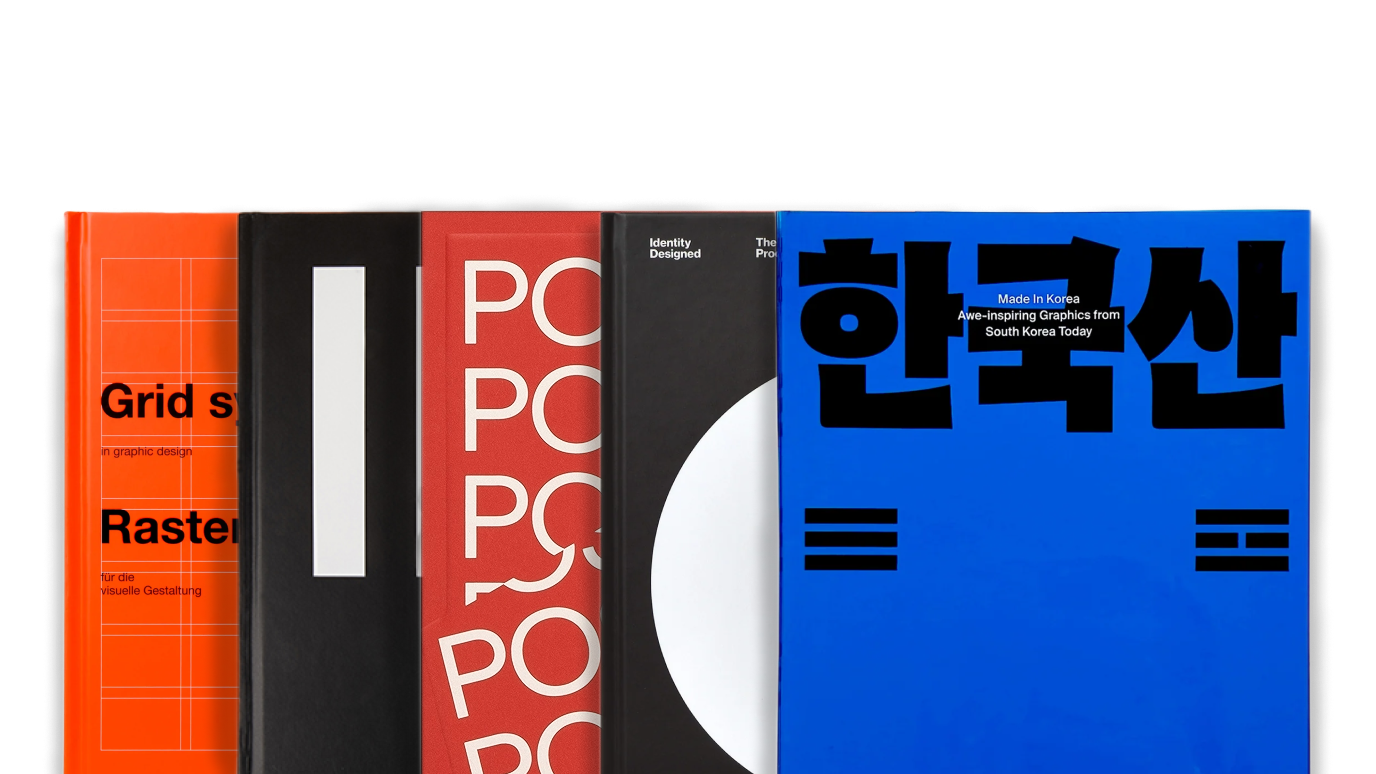
My approach is shaped by designers and thinkers who prioritise clarity over decoration — including Dieter Rams, Shigeo Fukuda, Yusaku Kamekura, Paul Rand, and Massimo Vignelli. Their influence continues to inform how I think about hierarchy, systems, and restraint.
I’m also influenced by Japanese and Swiss design more broadly — not as surface-level aesthetics, but as ways of thinking about balance, intention, and reduction.This carries through into how I structure interfaces, design motion, and approach problem-solving.
( FOUNDATION )
Before moving into web and digital design, I studied interactive entertainment and animation — originally with a focus on game development and 3D. That foundation still shapes how I think about interaction, spatial design, and user feedback — particularly in motion and micro-interactions.
Outside of client work, I continue to learn and experiment — exploring motion, 3D workflows, and front-end development, while also studying Japanese language and design culture.
Technology, games, and digital systems have always been a core interest — not just as tools, but as experiences shaped by thoughtful design decisions.
( PROCESS )
I value clear communication, considered collaboration, and a structured workflow. Projects typically begin with alignment around goals and constraints, followed by iterative design and development — sharing progress early and refining as we go.
Whether working independently or alongside larger teams, the focus remains the same: bringing clarity to complexity and creating work that feels purposeful, human, and enduring.
Framer Partner

Webflow Partner
Billy Blue College of Design (Torrens University)