WorksAbout

Contact

DLV ディーエルブイ
(
Desert Lily Vintage
)

Desert Lily Vintage

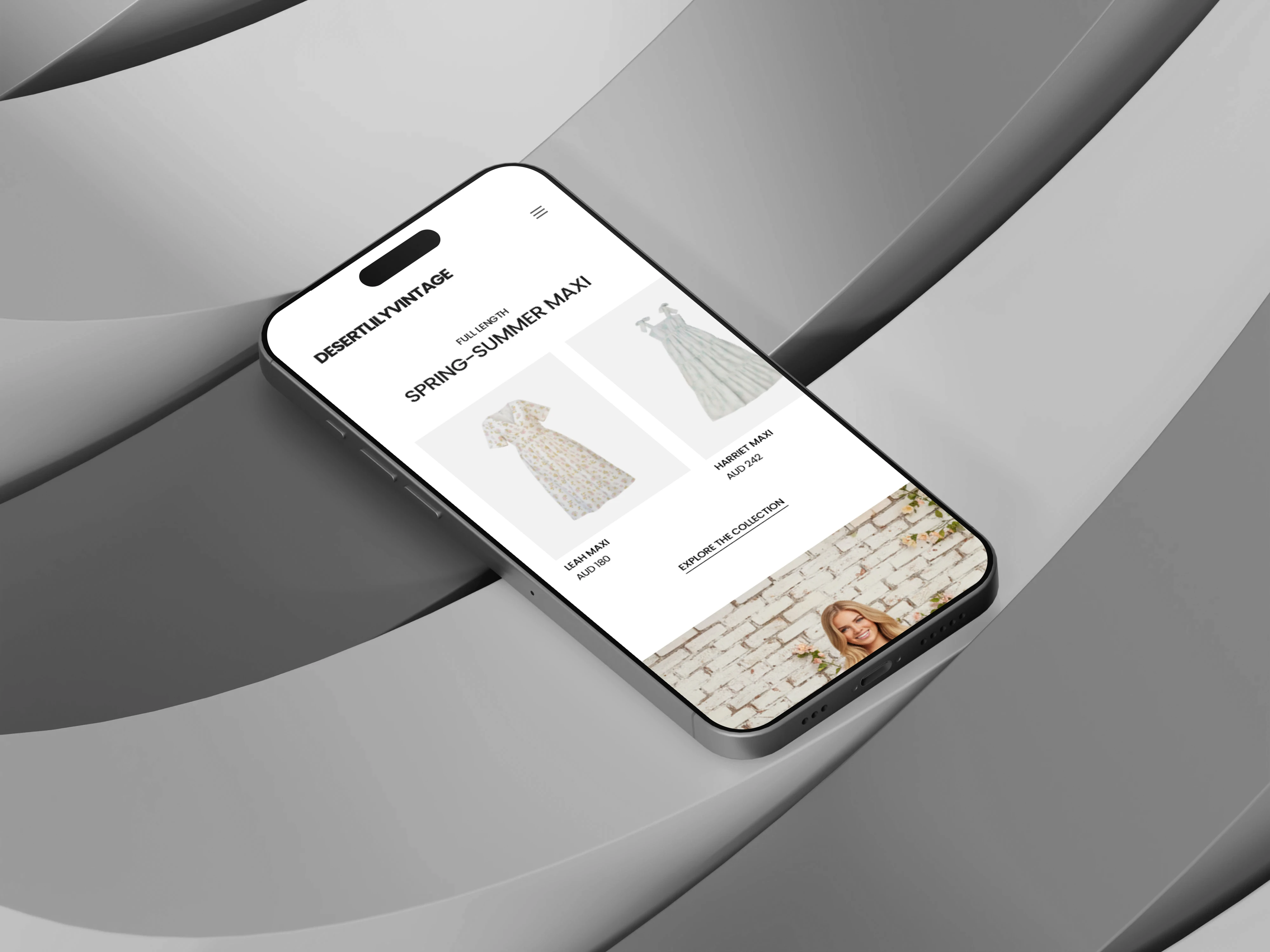
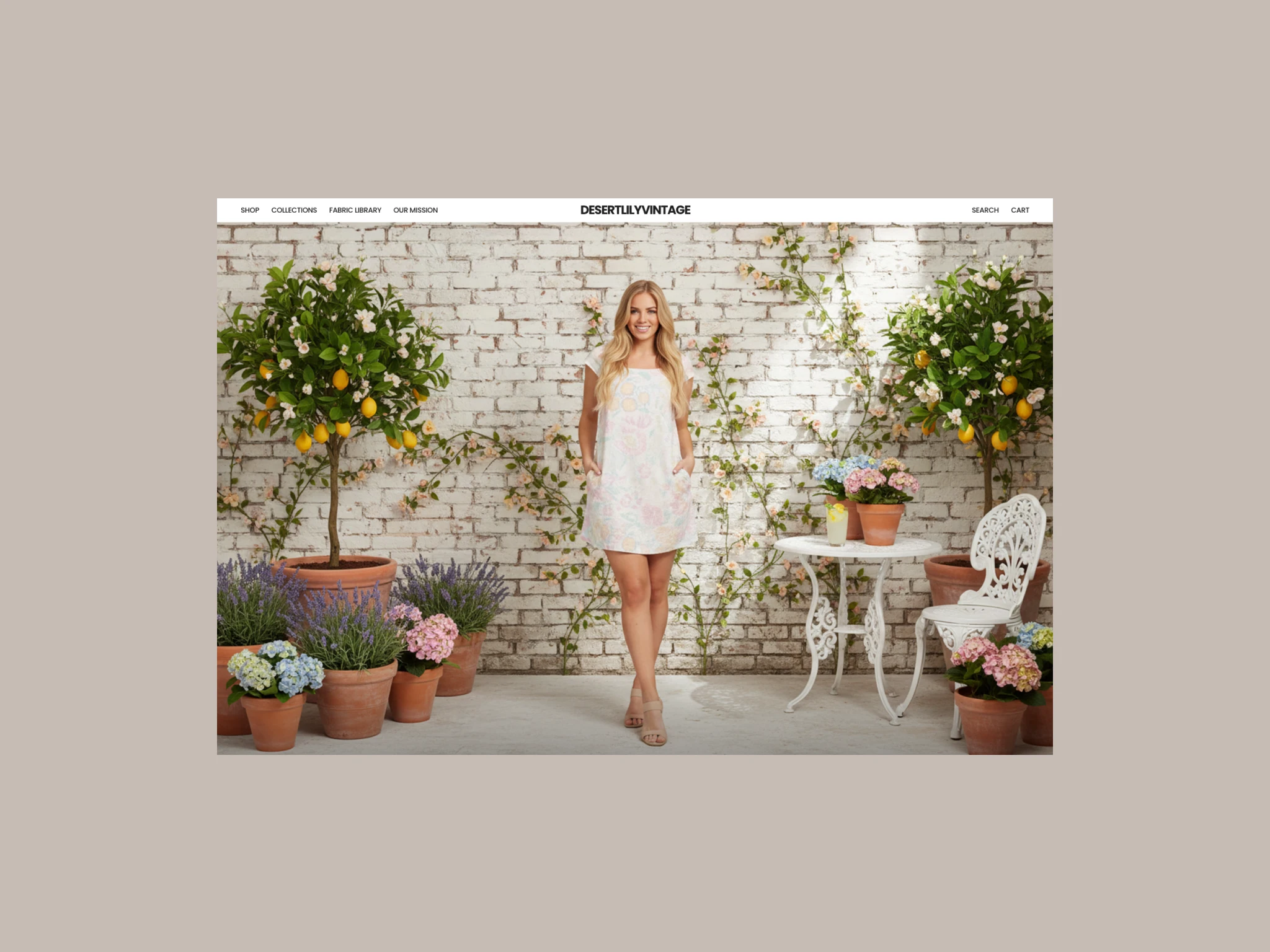
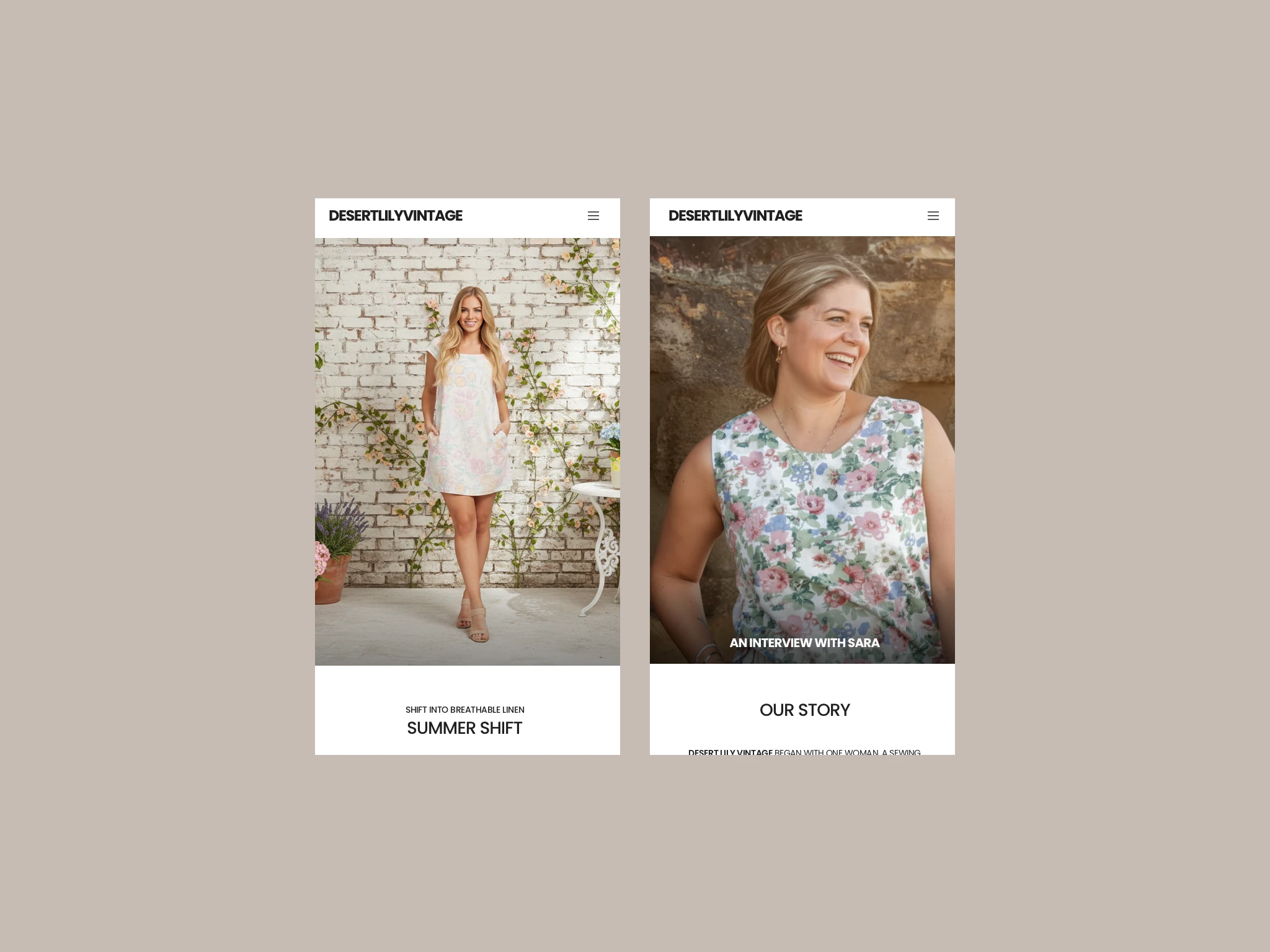
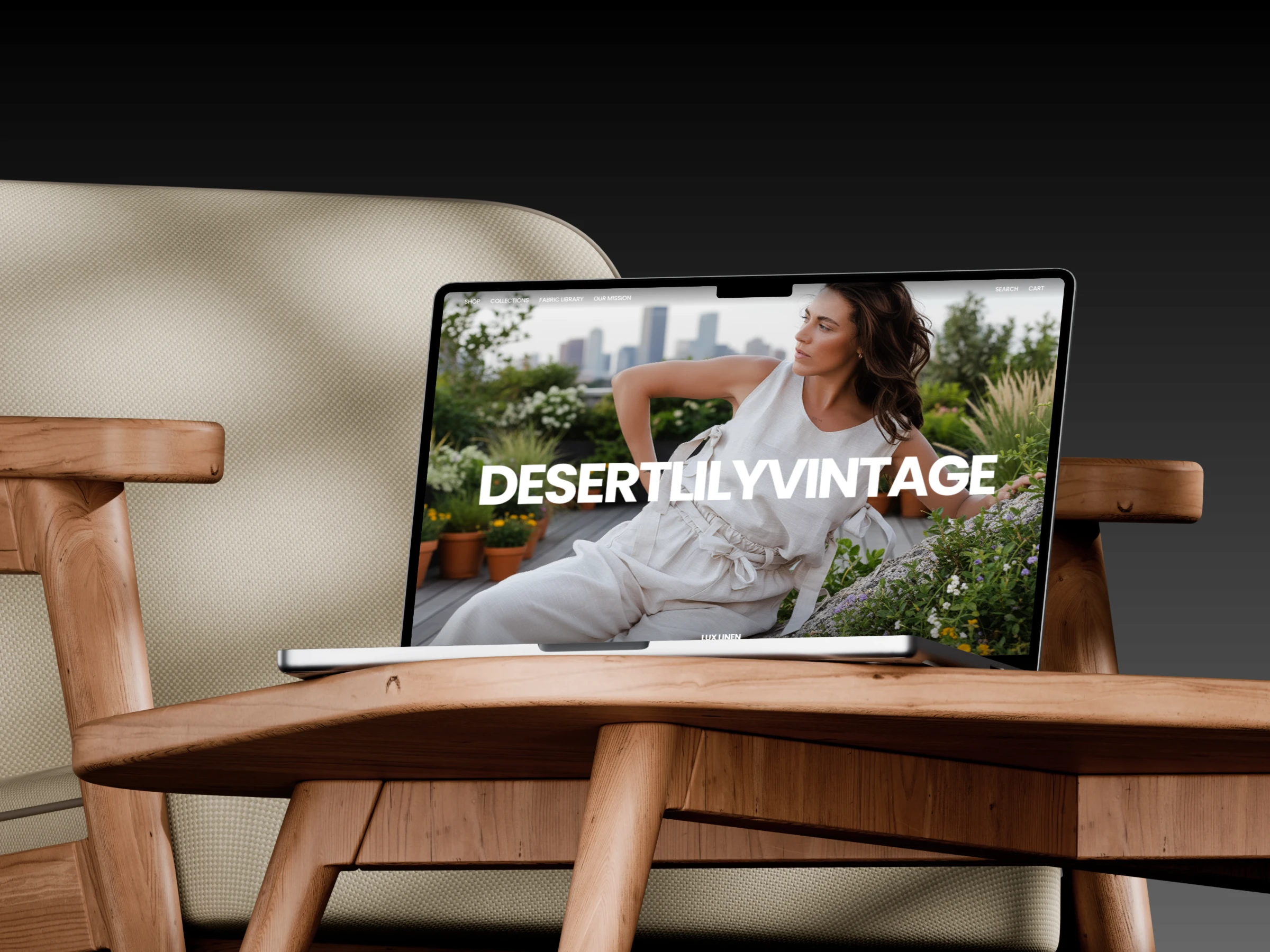
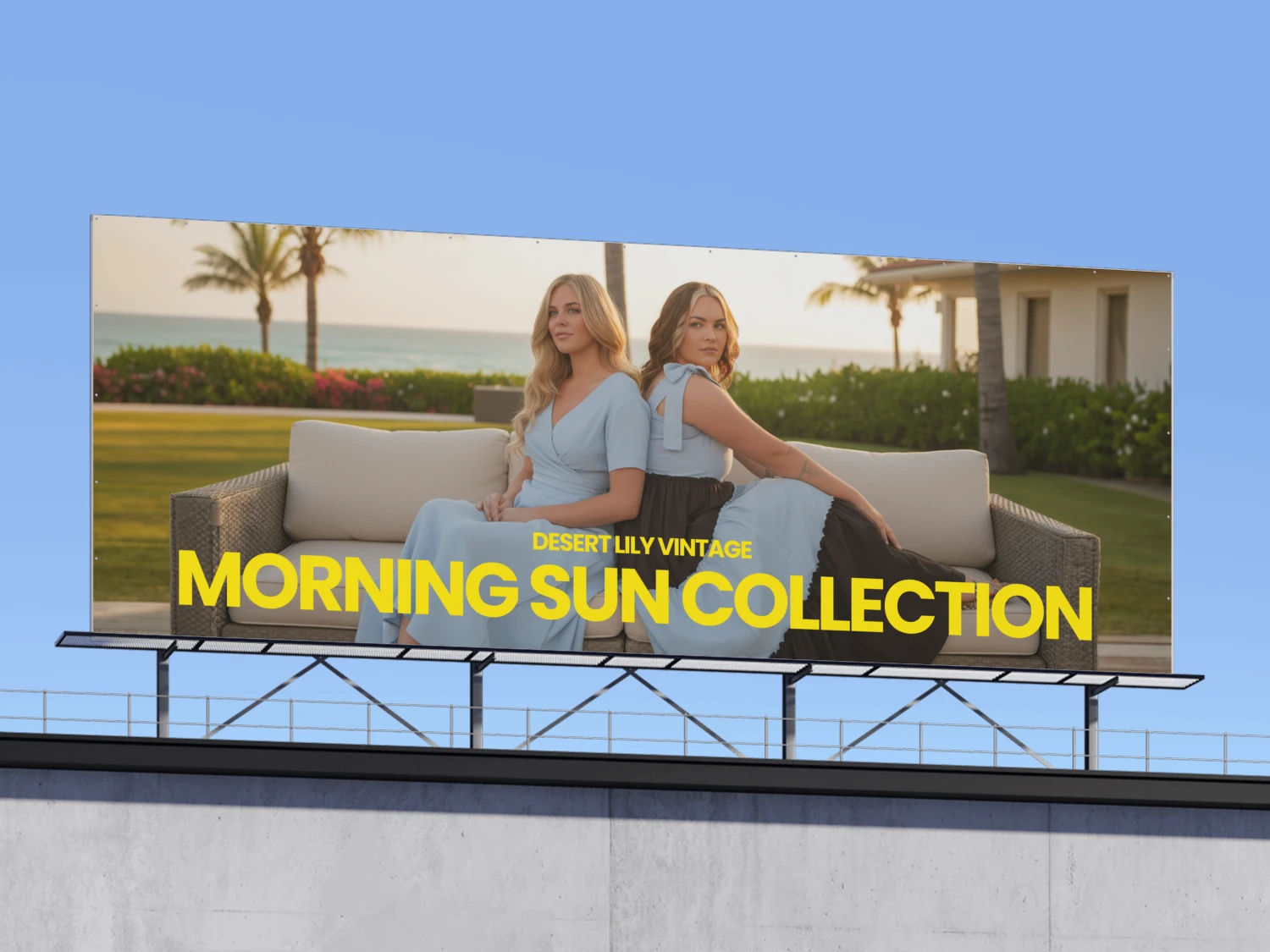
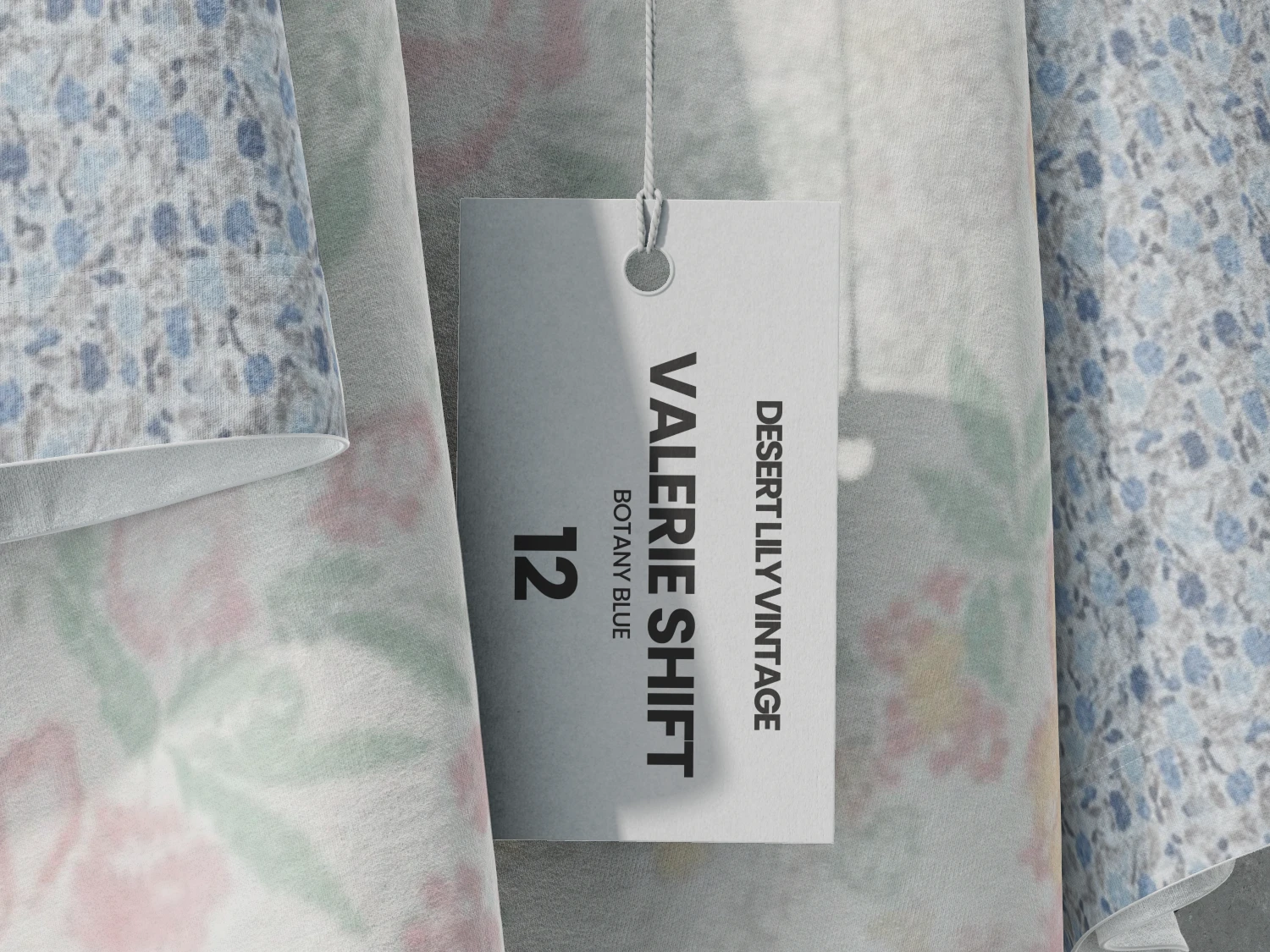
Desert Lily Vintage is a one-woman label blending sustainability with high-end fashion. The refreshed brand brings together personality, playfulness, and luxury in a visual language that feels elevated and intentional.

Client

Sara Carney

Frameworks

Shopify

Role(s)

Web Design

Web Development

CMS

Visual Identity

( OUTCOMES )

Effortlessly simple, with an elevated retail experience at its core.

The interface removes friction while celebrating individuality — combining soft motion, confident spacing, and editorial structure to support a curated shopping experience.

Heading goes here.

Lorem ipsum dolor sit amet, consectetur adipiscing elit. Suspendisse varius enim in eros elementum tristique. Duis cursus, mi quis viverra ornare, eros dolor interdum nulla, ut commodo diam libero vitae erat. Aenean faucibus nibh et justo cursus id rutrum lorem imperdiet. Nunc ut sem vitae risus tristique posuere.

Webflow, Shopify... intregrated API.

Utilizing a third-party API, Shopify's inventory stays in sync with the Webflow CMS. This allows the client to update their products via the Shopify interface they're familiar with and have it reflected almost immediately live.

The interface removes friction while celebrating individuality — combining soft motion, confident spacing, and editorial structure to support a curated shopping experience.
( PREVIOUS PROJECT )

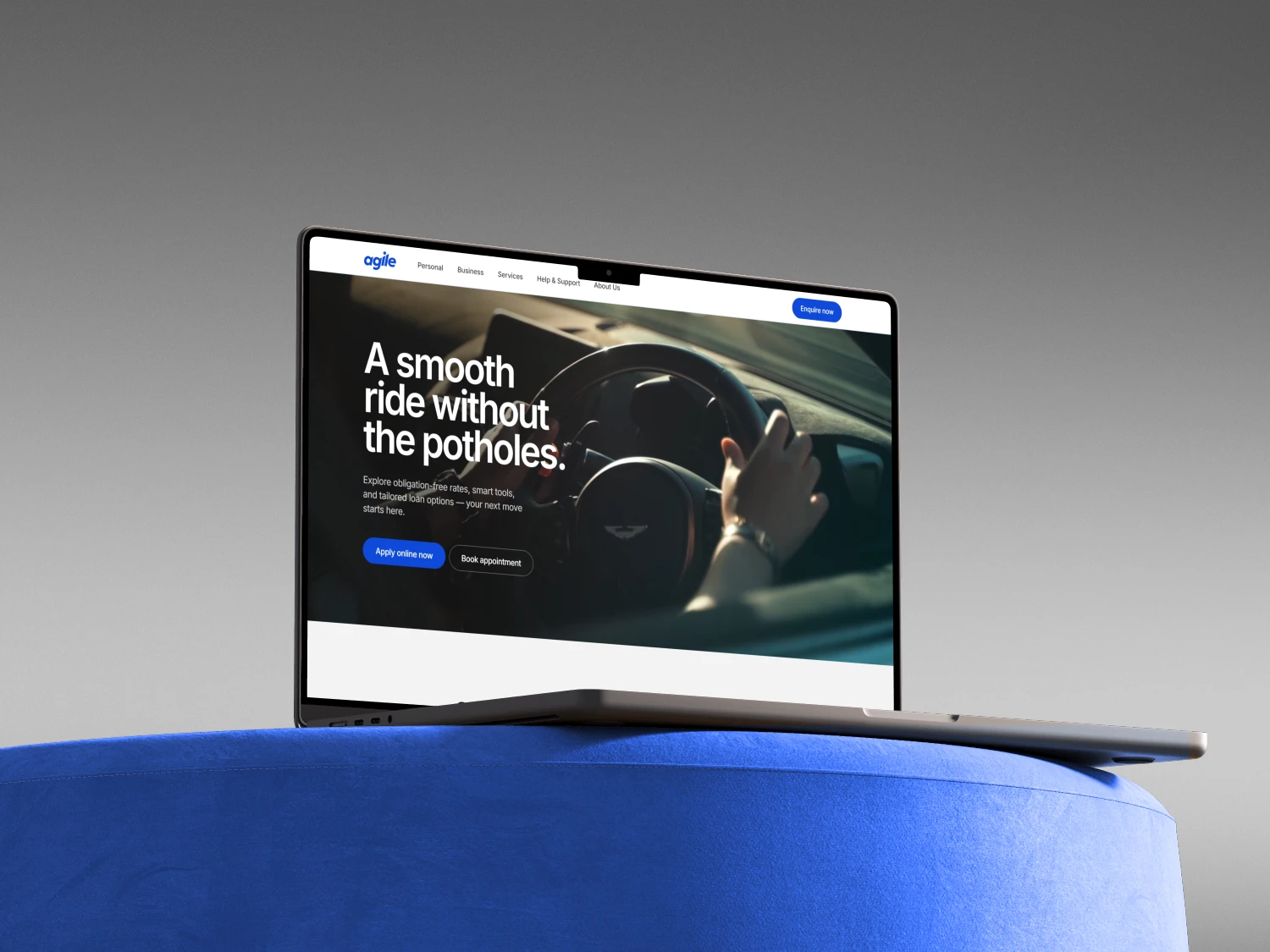
Agile Brokers

If you’re looking to build something clear, structured, and built to last — let’s talk.

Start a conversation

Frequently asked questions

( 01 )

What kind of clients do you work with?

I work with businesses that value thoughtful, intentional design — from startups and small teams to more established brands.

The size of the company matters less than a shared focus on clarity, quality, and meaningful digital experiences.

( 02 )

What services do you offer?

I work across both design and build — from brand and interface design through to interaction and front-end implementation.

Each project is approached as a system, spanning strategy, structure, and delivery.

( 03 )

Do you use a particular platform?

There’s no default platform — the choice depends on the structure, goals, and complexity of the project.

The stack should serve the idea, not define it.

( 04 )

What does your process look like?

Every project begins with clarity — understanding the business, audience, and intended outcome.

From there, structure and interface are defined before moving into build and refinement.

The goal is always the same: a final product that feels considered, performs well, and holds up over time.

( 05 )

How long does a typical project take?

Timelines vary depending on scope, but most projects take between 4–10 weeks from kickoff to launch.

Smaller builds can move faster, while more complex systems and integrations may require additional time.

( 06 )

Do you offer ongoing support after launch?

Yes — I often continue working with clients post-launch to support updates, improvements, and ongoing evolution.

The aim is to keep the system performing and adapting over time.

( 07 )

Why is there segments of Japanese on your portfolio?

I’m heavily influenced by Japanese graphic design and currently learning the language.

These elements are included as a reflection of that influence — and as a small layer of interaction within the work.

( BACK TO TOP )